
Why Are Rents Rising on Ssajeon-geori? A Simple Explainer
2026, January 8th
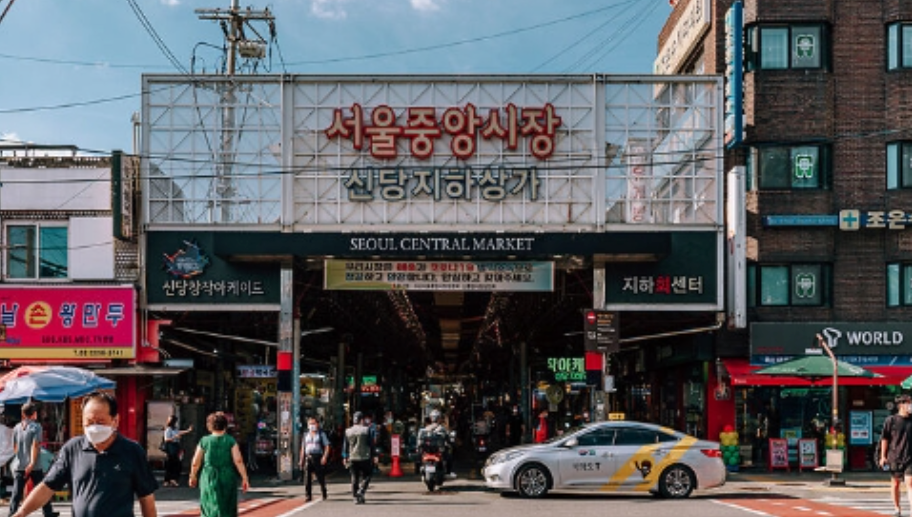
Around 2022, far more people started visiting Sindang-dong. More visitors made businesses want to open here, and with a limited number of old buildings to rent, prices went up. That's good news for landlords and new shops, and hard news for older shops on thin margins.


Why it happened
-
People found it. Brand pop-up events, unusual new shops and popular YouTubers brought young visitors to an area many of them had never been to before.
-
Old buildings are the attraction. Visitors come for the old-street feeling, so new businesses want to be inside the old rice shops and market buildings themselves, not somewhere nearby.
-
There's only so much space. When many businesses compete for the same few storefronts, landlords can charge more. Key money, the extra fee a new tenant pays to take over a shop, went up too.
Who wins and who loses
Landlords and new businesses with strong sales do well. Older shops that sell everyday goods, like rice, grains or simple meals, struggle most, because their prices and profits haven't risen with the rent. That's the gap the residents in Posts 2 and 3 are arguing about.
Can anything slow it down?
Seoul's Oraegage program gives long-running shops a certified plaque and promotes them on the city's maps and websites. That brings in customers, but it doesn't cap rent by itself. Longer leases, landlords who choose to keep legacy tenants, and visitors who spend money in the old shops all help too.