
My Grandmother's Tteokbokki Alley, and Mine
2026, March 8th
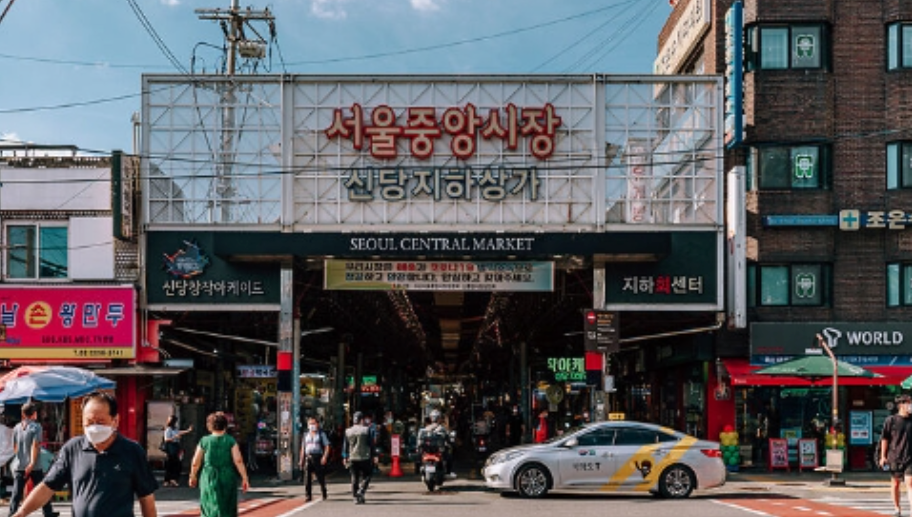
A grandmother who first came to the Sindang-dong tteokbokki alley in the 1970s and her 17-year-old granddaughter answer the same four questions. The alley means something different to each of them, but they both keep coming back.


What is your first memory of this alley?
Grandmother, 71: I was in high school. My friends and I came after a baseball game at Dongdaemun Stadium. We shared one pan and spent the whole afternoon writing song requests for the DJ.
Granddaughter, 17: My grandmother brought me here when I was seven. I remember being scared of the bubbling pan, and her laughing at me.
What do you order?
Grandmother: The same as always. Tteokbokki, ramyeon noodles and a boiled egg. Then fried rice at the end.
Granddaughter: The same as her, honestly. But afterward my friends and I walk over to the cafés near the market.
What has changed?
Grandmother: There used to be a DJ in almost every shop. Now there's maybe one. And the streets near the market are full of young people I don't recognize.
Granddaughter: It's gotten a lot more popular. Kids from my school who never came to Sindang before come here on weekends now. It's a little strange to see my grandma's neighborhood on Instagram.
What should never change?
Grandmother: The fried rice at the end. And the old shops. If they go, I don't know what this place will be.
Granddaughter: That she can still bring me here. And that I can bring someone here someday.
What their answers show
The alley has lasted since the 1950s because each generation finds its own reason to come. For the grandmother, it's a memory of being young. For the granddaughter, it's a place she shares with someone she loves. The cafés and crowds are new, but the reason people return to the old pan hasn't changed much.