
Sunrise to Shutters: A Day at a Grain Stall in Seoul Jungang Market
2026, January 12th
One day with a woman who has sold grains, sesame and dried goods at Seoul Jungang Market for over thirty years. Her mornings still belong to the old market. Her afternoons and evenings belong to a new one.
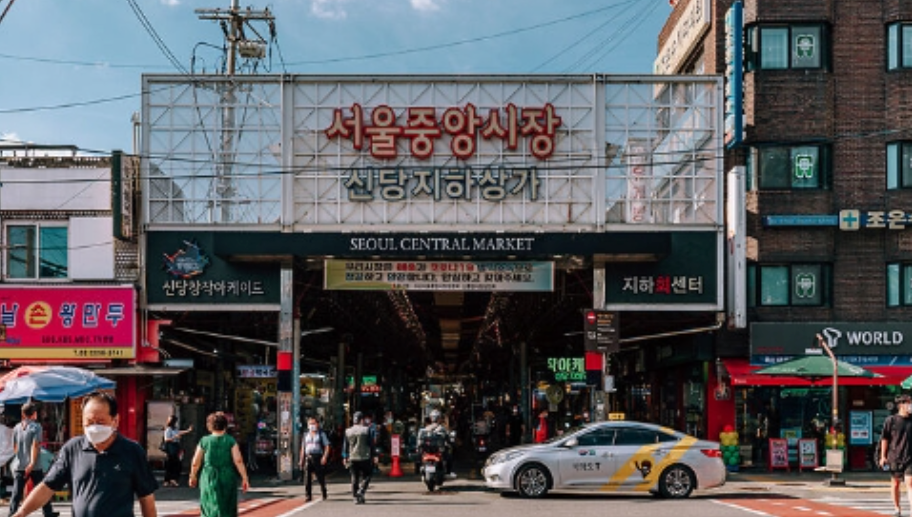
4:40 a.m. She leaves her apartment in Sindang-dong and walks to the market in the dark. Her knees ache in the cold, so she counts her steps to keep going.
5:30 a.m. Shutters up. The delivery truck drops off sacks of black sesame, barley and beans. She sorts them into the same wooden bins her mother-in-law used.
7:00 a.m. The first customers are restaurant owners from nearby, buying in bulk. They don't need to say what they want. She already knows.
10:00 a.m. Her older regulars arrive, mostly women in their seventies who come for one bag of beans and an hour of conversation. She keeps a stool by the stall just for them.
12:30 p.m. Lunch is a bowl of noodles from the stall across the aisle. The owners have traded lunches for twenty years.
2:00 p.m. The young visitors start to arrive. They photograph the bins and ask what perilla seeds are. A few buy small bags of roasted sesame as souvenirs. She has started selling 100-gram packs because the big bags never sold to this crowd.
6:00 p.m. Across the lane, the wine bar that used to be a furniture shop opens, and a line forms. The market is louder now than it was in the morning, but it's a different kind of loud.
8:00 p.m. She pulls the shutters down and counts the day's cash. Weekday sales are lower than they were ten years ago, but weekends are better. Her rent is higher than both.
What this day shows
The same market runs on two clocks. In the morning it serves the neighborhood, as it has since it opened in 1946. By evening it serves visitors, and nearly half of the people who come to Jungang Market are now in their 20s and 30s. Her stall survives by adapting to both.